
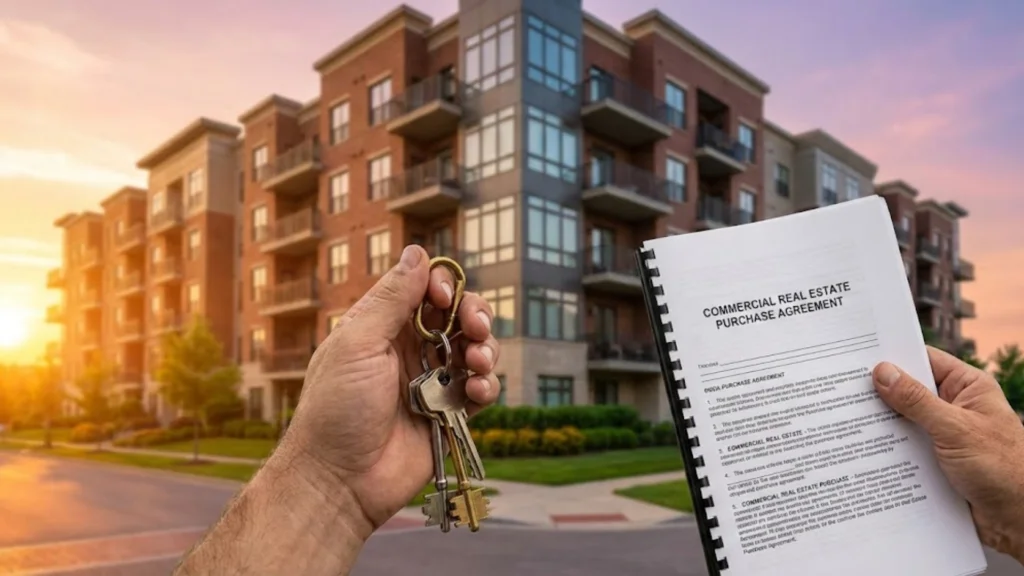
If you own an apartment building, you may want to sell it and buy another one, but the taxes on the profits can be very high. Luckily, there’s a way to avoid paying those taxes right away: the 1031 Exchange. This strategy allows you to defer the taxes by reinvesting the money you make from selling your property into a new one. In this guide, we’ll explain how to do it step-by-step so you can make the most out of your investment.
What is a 1031 Exchange?
A 1031 Exchange is a part of the U.S. tax code that lets you avoid paying taxes on the money you make from selling your property, as long as you use that money to buy a similar property. This is great for apartment owners who want to sell but don’t want to lose a lot of money to taxes. You can keep deferring taxes as long as you keep doing 1031 Exchanges when you sell.
Step 1: Know the Requirements
Before starting a 1031 Exchange, make sure your property meets the basic rules:
- Like-Kind Property: The property you buy must be the same type as the one you sell. For example, if you sell an apartment building, you must buy another apartment building or similar property.
- Investment Property: Both the property you sell and the one you buy must be for investment or business purposes, not for personal use.
- Timelines: You have strict timelines:
- 45-Day Rule: After selling your property, you have 45 days to find a new property.
- 180-Day Rule: You must close on the new property within 180 days.
Step 2: Find a Qualified Intermediary
The IRS requires you to use a Qualified Intermediary (QI) for the exchange. A QI is a third party who holds the money from the sale of your property while you look for your new one. They make sure everything is done correctly and help with the paperwork.
Make sure to choose an experienced QI who understands the rules and can guide you through the process.
Step 3: Sell Your Apartment Property
Once you have your QI, it’s time to sell your apartment property. The proceeds from the sale will go to your QI, and you can’t touch the money until you buy your new property. This is important for the exchange to work, so don’t take any of the proceeds yourself.
Your real estate agent will help you sell the property, and it’s important to make sure everything is done according to the 1031 rules.
Step 4: Identify Replacement Properties
After you sell your apartment, you need to identify potential replacement properties. You have 45 days to do this. You can choose up to three properties to buy, but there are other rules that might let you choose more:
- Three-Property Rule: You can choose up to three properties to buy, no matter how much they cost.
- 200% Rule: If you want to choose more than three properties, their combined value can’t be more than 200% of the sale price of your original property.
- 95% Rule: If you choose more than three properties, you must buy at least 95% of the total value of all the properties you picked.
Be smart when choosing replacement properties. Pick ones that fit your goals and have potential for growth.
Step 5: Buy Your New Property
You now have 180 days from the sale of your property to buy the new one. The money that was held by the QI will be used to buy the new property. Once you complete the purchase, the 1031 Exchange is complete, and you have successfully deferred your taxes.
Step 6: Report the Exchange on Your Taxes
After completing the exchange, you need to report it on your tax return. You will fill out IRS Form 8824, which tells the IRS that you did a 1031 Exchange. It’s important to work with a tax professional to make sure everything is filed correctly and you don’t miss anything.
Why Use a 1031 Exchange?
- Tax Deferral: The best part of a 1031 Exchange is that you can avoid paying taxes on the money you make from selling your property. Instead of paying taxes, you can reinvest the money into a new property.
- Wealth Building: By deferring taxes, you can keep growing your real estate investments without losing money to taxes each time you sell.
- Diversification: A 1031 Exchange allows you to sell one property and buy multiple smaller properties or different types of real estate, which helps spread out your risk.
- Estate Planning: If you hold onto the new property for a long time, your heirs may receive the property with a lower tax bill when you pass it on to them.
Common Mistakes to Avoid
- Missing Deadlines: The 45-day and 180-day deadlines are very important. Missing them means you won’t qualify for the 1031 Exchange and could end up paying taxes on your sale.
- Wrong Property Identification: If you don’t follow the property rules, the exchange might not count. Be sure the properties you pick are like-kind and meet the IRS requirements.
- Receiving the Proceeds: You can’t take the money from the sale yourself. If you do, you could lose the tax benefits of the 1031 Exchange.
Conclusion
A 1031 Exchange is a great way for apartment owners to defer taxes and continue building wealth by reinvesting in real estate. By following the steps in this guide, you can make sure you’re doing it right and avoid costly mistakes. At Ces Cecchin, we’re here to help you navigate the world of real estate investments and 1031 Exchanges. Contact us today to learn more about how we can help you grow your real estate portfolio.