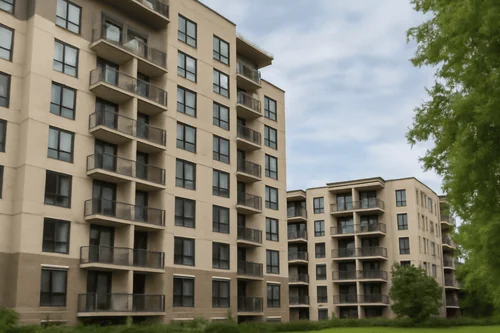
What Should You Look for in a North Bay Multifamily Real Estate Advisor?


Look for a North Bay multifamily advisor who understands apartment operations, local market conditions, property valuation, and the issues that affect both tenants and owners. The right advisor should help you evaluate the numbers, recognize potential risks, and make a clear decision about buying, holding, improving, or selling the property.

Multifamily real estate combines an income-producing investment with the responsibilities of providing housing. That makes local experience, accurate financial analysis, and careful preparation especially important.

How Well Should Your Advisor Know the North Bay?

The North Bay is not one uniform multifamily market. Marin, Sonoma, and Napa contain smaller submarkets with different rent levels, buyer demand, operating costs, building types, and local requirements.

An apartment property near a downtown commercial district may attract a different buyer than one in a quieter residential neighborhood. Unit mix, parking, transportation, building age, condition, and access to local services can all affect marketability.

Your advisor should understand how these factors influence:

  • Property value
  • Tenant and investor demand
  • Financing and appraisal
  • Operating expenses
  • Future capital requirements
  • The property’s long-term potential

Local knowledge is not simply knowing where the building is located. It means understanding how buyers and lenders will evaluate that particular property within its immediate market.

How Should a Multifamily Property Be Evaluated?

The number of units and current rents are only the beginning.

A thorough multifamily analysis should consider:

  • Current rent roll and unit mix
  • Lease terms and tenant history
  • Vacancy and turnover
  • Actual income and operating expenses
  • Insurance, utilities, and property taxes
  • Deferred maintenance
  • Recent improvements
  • Future capital needs
  • Comparable sales

Buyers will examine whether the reported income is reliable and whether the operating expenses are realistic. They will also consider the condition of the building and the likelihood of significant future costs.

For owners, understanding these factors helps establish a realistic value. For buyers, it helps determine whether the projected return is supported by the property’s actual performance.

What Should a Multifamily Buyer Look For?

A good acquisition begins with a clear investment objective.

Some buyers want stable income from a well-maintained building with consistent occupancy. Others are willing to take on deferred maintenance, vacancies, or operational challenges in exchange for potential upside.

Your advisor should help you evaluate:

  • Whether the current income supports the asking price
  • The accuracy of the operating expenses
  • Upcoming repairs and improvements
  • Tenant stability and lease documentation
  • Financing assumptions
  • Potential risks during due diligence
  • How the property fits your broader investment strategy

Optimistic projections should not take the place of verified information. The right property is one that still makes sense after the leases, expenses, condition, and financing have been carefully reviewed.

How Should an Owner Prepare a Multifamily Property for Sale?

Preparation should begin before the property is listed.

Start by organizing the information buyers will request, including:

  • Rent rolls
  • Leases and amendments
  • Operating statements
  • Utility and insurance records
  • Maintenance history
  • Capital improvement records
  • Service contracts
  • Relevant property reports

The physical condition of the property also matters. Addressing visible maintenance issues, cleaning common areas, and improving curb appeal can strengthen a buyer’s first impression and reduce negotiation pressure.

The goal is not to make the building perfect. It is to present the property clearly, support the income with reliable records, and resolve avoidable questions before they become issues during due diligence.

How Should a Multifamily Property Be Marketed?

Effective multifamily marketing is about reaching qualified investors and giving them a clear understanding of the opportunity.

The marketing should explain:

  • Current income and occupancy
  • Unit mix
  • Property condition
  • Recent improvements
  • Location and neighborhood advantages
  • Operating history
  • Potential risks and opportunities

A strong process may include direct investor outreach, broker relationships, targeted email campaigns, industry platforms, social media, and traditional networking.

Full market exposure gives more qualified buyers an opportunity to respond. It also provides the owner with a clearer indication of the property’s value than relying on a single unsolicited offer.

How Should Tenant and Regulatory Issues Be Handled?

Tenant communication, lease documentation, property access, and local requirements need to be handled carefully during a sale.

Your real estate advisor should coordinate with your attorney, property manager, CPA, and other professionals when specialized advice is required. The objective is to keep the process organized while respecting existing agreements and responsibilities.

Identifying these issues early can prevent delays and give buyers greater confidence in the transaction.

What Kind of Advice Should You Expect?

You should expect straightforward advice based on your financial goals, timing, and tolerance for risk.

I do not assume every multifamily owner should sell or every investor should buy. Sometimes the right decision is to improve the property, organize the records, address maintenance, or wait for better timing.

The bottom line for North Bay multifamily owners and investors is simple: choose an advisor who understands both the building and the business behind it.

Are You Evaluating a North Bay Multifamily Property?

If you own or are considering an apartment property in Marin, Sonoma, or Napa County, I can help you evaluate its performance, understand the market, and determine the most practical next step.

An early conversation can clarify your options and give you time to prepare properly.

Schedule a 15-minute conversation about your multifamily property.

Schedule a meeting to learn more.

Scroll to Top

Get Resources & Reports Access